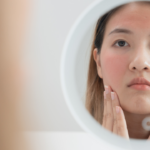
Advancing beyond our seventies, skin merits gentle, focused attention. While aging and skincare can be delicate topics to discuss, the guidance below seeks to make caring for mature skin both approachable and encouraging. Here are essential ways to keep your complexion lively and comfortable—even at this stage in life.
Understanding how skin changes with age
What typically happens as we age?
Although each individual’s experience unfolds differently, several skin changes are commonly observed as we grow older. It’s usual to notice increased dryness, more defined wrinkles, or occasional spots—though these signs present themselves differently for everyone. With time, the skin’s ability to repair itself also lessens, gradually reducing firmness.
Why does this matter for daily care?
Recognizing these ongoing changes often makes it easier to choose targeted facial care methods and beauty products that best support skin’s radiance and ease. Certain seniors recall texture changes around the cheeks or jawline as their first warning sign. According to an experienced dermatologist, simply understanding these natural shifts – lays groundwork for a more effective, long-term care approach.
Adopt a daily cleansing routine
Essentials of everyday cleansing
Building an effective skincare routine in your 70s often starts with a gentle daily cleanser. This first step helps remove pollution, lingering traces of make-up, and extra sebum left on the skin overnight or throughout the day. Choosing non-irritating, alcohol-free cleansers can do much to avoid worsening dryness—a tip beauty consultants highlight regularly.
Adding gentle exfoliation
Occasionally including exfoliation offers benefits by whisking away dead skin cells, contributing to a brighter look and smoothing out fine lines. Many people notice their moisturizers seem to work better afterwards, probably because smoother skin allows them to absorb more deeply. Ever wondered why a trusted cream might not feel as effective? Sometimes, this simple step makes the difference. An aesthetics trainer once observed that a gentle, weekly exfoliation can renew the skin’s freshness, particularly for older adults.
The importance of hydration
Focusing on extra moisture
Staying hydrated is typically the most reliable way to maintain skin’s suppleness and ease. As natural oil production wanes, mature skin needs richer nourishment. Formulas featuring hyaluronic acid, shea butter, or ceramides can substantially improve water retention and overall comfort.
Choosing the right moisturizer
Choosing a richer, more nourishing cream for both morning and evening often reinforces the skin’s protective barrier. In practice, formulas enhanced with vitamins C and E tend to stand out—they help defend against exposure to free radicals and encourage elasticity. Anecdotally, some people share that their skin feels much more at ease after introducing these ingredients (though, naturally, outcomes can differ). A veteran esthetician mentioned that, for certain skin types, adding a single drop of oil to a night cream brings noticeable extra comfort.
Sun protection: your best anti-aging ally
Guarding against daily risks
Whatever your age, shielding the skin from repeated sun exposure is a practical habit with long-term rewards. UVA and UVB rays don’t only cause redness—they can contribute to dark spots over time and potentially increase the risk of skin cancer. For this reason, a broad-spectrum sunscreen (SPF 30 or higher) remains advised—no matter the weather. It can surprise some people to learn that even a short walk each morning results in measurable sun exposure. One dermatologist recently shared that remembering to protect the backs of the hands and the neck can make a distinct difference over the decades—a detail that often goes unnoticed, yet pays off in the long run.
Diet: an influence on skin appearance
Nourishing from within
Interestingly, what you eat can matter as much for your skin as any product. A diet loaded with color, including berries, vibrant vegetables, oily fish, nuts, and seeds, may offer valuable support from within. These ingredients bring in generous amounts of antioxidants, vitamins, and omega-3s—all nutrients credited by many dietitians with helping protect against visible aging, particularly in mature adults.
- Red berries aren’t just sweet—they’re packed with pigments and powerful antioxidants, supporting the skin’s natural defenses.
- Citrus fruits contribute significant vitamin C, which helps fuel collagen formation and resilience against daily stressors.
- Oily fish—such as salmon—are noted for omega-3 content, considered useful in helping skin stay appropriately moisturized.
- Nuts and seeds supply important fatty acids and trace minerals that play a supportive role in hardworking skin cells.
- Leafy greens finish things off, adding an extra layer of antioxidants and aiding with protection from oxidative damage.

Incorporating these habits, according to seasoned dermatologists and beauty experts, can help you keep your skin feeling comfortable and luminous—well into your eighth decade and beyond. Professionals in the field sometimes say there’s no “too late” when it comes to introducing care techniques that genuinely make a lasting difference.

I’m a young man studying in the field of health and sexuality. Passionate and committed, I am known for my dedication to my studies and my desire to make a significant contribution to society.
I am particularly interested in issues of consent and prevention in the field of sexual health, a subject that I feel is crucially important and often neglected. Those who know me well describe me as an empathetic person with an incredible ability to understand and support people in need.
I strive to demystify preconceived ideas about sexuality and improve attitudes and perceptions around sexual health. I’m a passionate advocate of the importance of sex education and consent education in universities, recognising the major transition students are going through in terms of their love and sex lives during their studies.
With a keen eye on society, I am particularly concerned about the problems of forced or unwanted sexuality among students, which I find unacceptable. I plan to devote my career to changing these disturbing statistics, by creating training and intervention programmes to improve knowledge, attitudes and behaviour relating to sexuality among young people.
My ultimate goal is to create an environment where every individual has the power to make informed choices about their sexual health, and where respect and consent are the norm. Overall, I am a character who represents commitment, compassion and the desire to make a difference in the world.