
In the ongoing quest for youthful, glowing skin, it’s worth taking a closer look at what we are truly facing. This article unpacks the causes and defining features of mature skin while offering practical guidance for taking care of it long term.
Understanding the structure of aging skin
Layers and individuality of skin
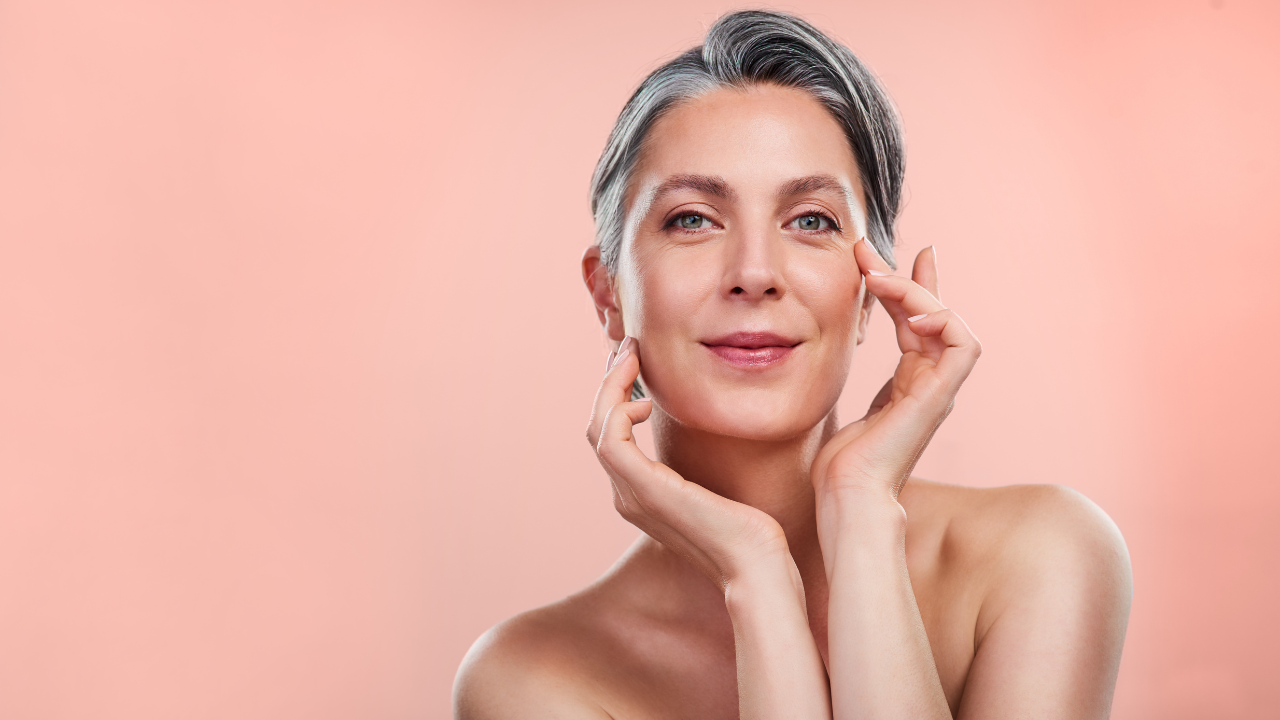
Each person’s skin journey holds its own subtle differences, and experts often mention that our faces become like personal atlases—maps written from decades of living and environmental shifts. As the body’s largest organ, the skin is composed of layers with impressive intricacy and deserves attentive care. One dermatologist recalled how exposure to city air and changing climates left visible marks over the years (sometimes in ways we only notice much later).
How time alters skin structure
With each passing decade, the inner architecture of skin gradually shifts. For example, the dermis may lose around 20% of its thickness after the age of 30, and this commonly contributes to noticeable loss of fullness and elasticity. Some professionals find that sebaceous and sweat glands slowly decrease in number and efficiency, producing drier and more fragile skin over time. Reduced microcirculation can make complexion appear dull or even slightly cool to the touch—an observation often shared by those working in skincare labs and clinics.
Recognizing signs of mature skin
What does maturity look like on the surface? Persistent dryness is often the earliest sign, signaling decreased oil production. Wrinkles, fine lines, loss of firmness, and pigment spots—as well as gradual changes in facial contour—are all visible indicators. For some people, pigment shifts emerge first, while others notice a loss of fullness before anything else. A dermatologist once revealed that sensations of tightness commonly appear before visual changes are detected, which adds an interesting layer to how aging can be perceived or anticipated.
Underlying reasons: exploring why skin ages
Biological factors: Time’s distinctive mark
Everyone is subject to the passage of years, but the biology behind skin aging is layered and complex. Hormonal fluctuations—particularly those tied to menopause—strongly affect both skin structure and its ability to regenerate. When estrogen reduces, cell turnover slows, resulting in decreased density and reduced resilience. Does this mean aging follows the same track for everyone? Surprisingly, many women share stories about relatives whose skin retains remarkable strength even after sixty, suggesting genetics and lifestyle play unpredictable roles. A beauty expert commented that nutrition and self-care rituals may buffer these hormonal changes quite effectively.
Environmental triggers – The dual role of the sun
Sunlight is essential for well-being, but extensive exposure remains a significant risk factor for premature aging (often called photoaging). Ultraviolet A (UVA) rays impact the skin’s collagen and elastin, undermining texture and flexibility across the years. In reality, a joyful afternoon at the beach may feel beneficial, yet repeated exposure accumulates, and subtle damage shows up later. Interestingly, one therapist regularly reminds clients: “Protect your future self—starting today makes all the difference.” Changes in climate and air quality can also accelerate these effects, although many still underestimate their cumulative impact.
Specific skin care products to protect your skin: how to pick wisely?
Foundations for effective daily cleansing
The right habits set the stage for longevity in skin health. Gentle facial cleansers are crucial for defending the skin’s moisture barrier; it’s often recommended to skip harsh soaps in favor of those enriched with shea butter or sweet almond oil. Anecdotal reports suggest that shifting to a milder formula frequently yields softer skin within just a week. Professionals often underline that small changes in the cleansing routine can introduce lasting benefits.
Essentials to build a mature skin care routine
- Moisturizing creams: Daily use of creams packed with hyaluronic acid offers outstanding hydration and helps restore volume, especially as skin loses its natural reserves over time. Long-lasting moisture is a real game changer for comfort.
- Anti-aging serums: Opt for rich formulations containing retinol, praised for encouraging cell renewal and supporting ongoing skin rejuvenation. Noticeable softening of fine lines has been observed in routine users.
- Nourishing masks: Incorporate hydrating masks for an extra kick of nutrients and deep moisture. Certain professionals have seen significant improvements in suppleness among patients who apply masks regularly. Skin appears plumper when replenished routinely.
Favourable lifestyle habits: a holistic approach to healthy skin
Everyday steps for visible improvement
Just applying topical products rarely tells the whole story about radiant skin. Nutrient rich meals—loaded with fresh fruits and vegetables—and steady hydration lend genuine support to skin’s appearance. Staying physically active helps boost circulation and can improve cell renewal, which is often cited as a key to brighter skin. Many report that changing eating patterns or increasing movement led to visible improvements within weeks. One might ask: Could lasting beauty ever come from just a bottle? In practice, experience seems to suggest much more is at play.
Rest and renewal – The transformative power of sleep
Quality sleep does more for skin health than many costly treatments on the market. During deep, undisturbed rest, critical cellular repair processes hit peak performance, with new protein synthesis helping rebuild the skin’s protective barrier. A skin expert once remarked that waking up after a restorative night is often the quickest way to see a peaceful, refreshed complexion—almost as if the skin had a nightly reset. It’s not just a claim; countless individuals notice the change after better sleep patterns take hold (especially following stressful periods).

I’m a young man studying in the field of health and sexuality. Passionate and committed, I am known for my dedication to my studies and my desire to make a significant contribution to society.
I am particularly interested in issues of consent and prevention in the field of sexual health, a subject that I feel is crucially important and often neglected. Those who know me well describe me as an empathetic person with an incredible ability to understand and support people in need.
I strive to demystify preconceived ideas about sexuality and improve attitudes and perceptions around sexual health. I’m a passionate advocate of the importance of sex education and consent education in universities, recognising the major transition students are going through in terms of their love and sex lives during their studies.
With a keen eye on society, I am particularly concerned about the problems of forced or unwanted sexuality among students, which I find unacceptable. I plan to devote my career to changing these disturbing statistics, by creating training and intervention programmes to improve knowledge, attitudes and behaviour relating to sexuality among young people.
My ultimate goal is to create an environment where every individual has the power to make informed choices about their sexual health, and where respect and consent are the norm. Overall, I am a character who represents commitment, compassion and the desire to make a difference in the world.


