
Dental aligners are increasingly popular, thanks in large part to their discretion and well-demonstrated effectiveness in correcting misaligned teeth. But how do you actually pinpoint the aligner that truly suits your personal dental journey? The following guide breaks down the path to choosing the aligner most likely to match your smile — step by step, making sure nothing crucial slips past.
Understanding dental aligner options
What choices exist today?
Before diving in, it helps to grasp the main solutions you’ll encounter on the market. Certain practitioners have observed that having a clear sense of these options upfront can sometimes spare you months of additional adjustments:
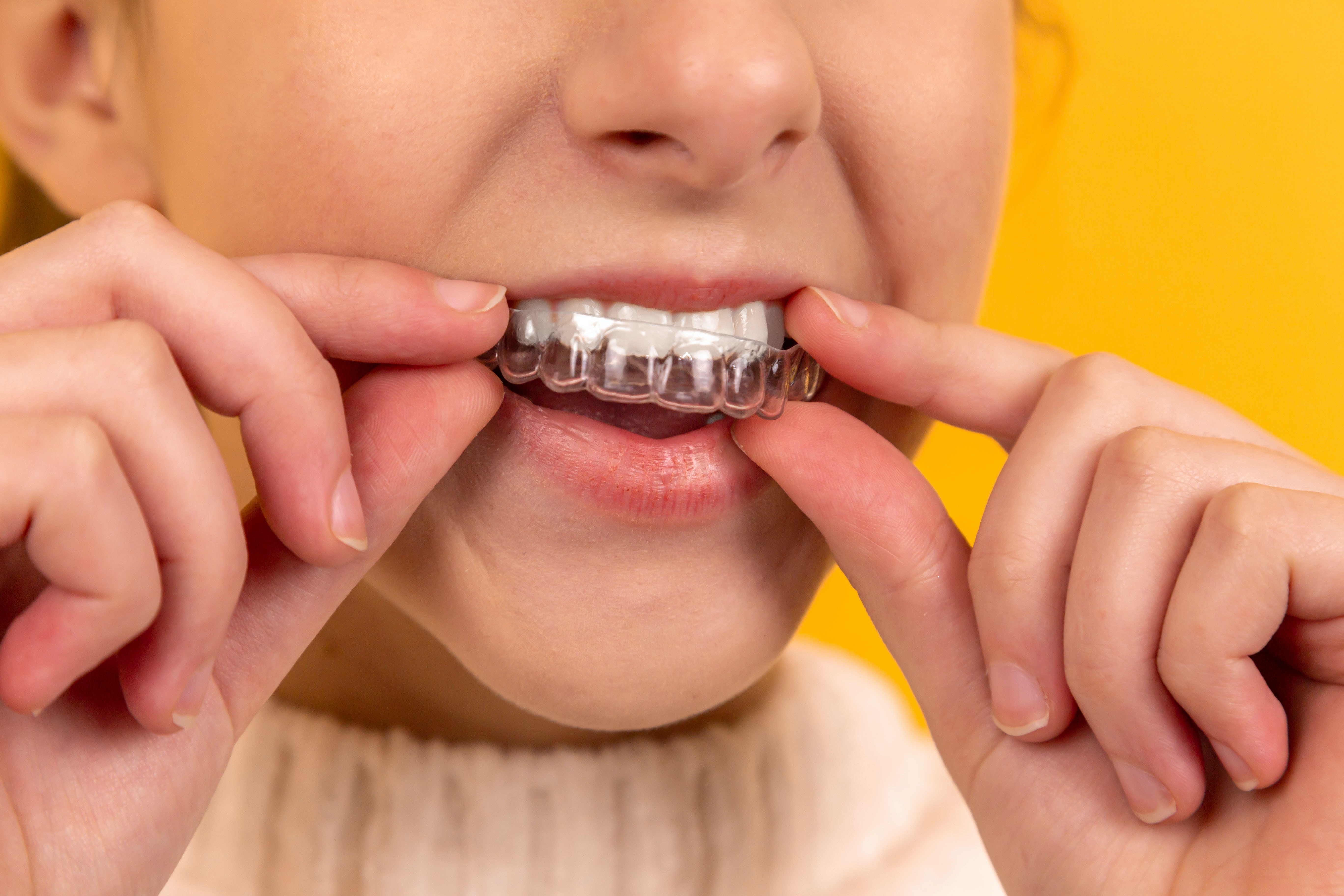
- Clear aligners: These devices, common among adults and teens, use transparent, medical-grade plastic molded to follow tooth contours. Many users remark on how discreet they are in daily life, alongside excellent comfort.
- Traditional braces: Although more visible, metal bands and lingual appliances remain a preferred approach for particularly complex cases, with reliable results when tackling tough alignment issues.
- Hybrid systems: Some modern treatments blend aligners with fixed appliances. This hybrid strategy may speed up progress, yet still preserves a discreet look — a feature some busy professionals mention valuing highly.
Daily lived experience and aligner choice
Selecting the ideal method also depends on lifestyle. For example, a dental assistant once noted that employees in open workspaces lean toward aligners that remain virtually unseen, while some creative professionals might prioritize faster outcomes, even if it means more visibility.
This overview highlights the most telling factors for narrowing your aligner choices, helping you to identify the solution that fits best — without getting sidetracked by less important criteria.
Evaluating your dental situation: where to start?
Pinpointing your main concerns
Your first move is to clarify what exactly you hope to fix — along with how involved these corrections will be.
Here are some scenarios routinely voiced by patients:
- Teeth crowding: Overlapping or stacking occurs when the jaw is narrow. For a portion of patients, this creates only minor hurdles, while for others, it can challenge good oral health.
- Noticeable spacing: Gaps may appear for several reasons (like a missing tooth or genetic factors). Some people report they only became aware of these gaps when it started affecting their speech clarity.
- Malocclusions: When jaws don’t align, issues such as crossbite, open bite, or deep bite may arise. These cases frequently call for more advanced intervention — sometimes even involving braces.
The little things make a big difference
Is it really necessary to worry about mild misalignments? In real life, even minor tweaks can have notable effects on both confidence and daily oral care. One orthodontist has mentioned witnessing clients experience a complete boost in self-image from just a small sequence of corrections. It’s not always obvious at first glance!
How much do you care about staying discreet?
Once you’ve mapped out the problems to address, think through how visible you want your treatment to be. If blending in is essential, transparent aligners are often the favored pick. However, if you don’t mind a less subtle look—or if your alignment requires a more tailored or budget-friendly approach—metal braces remain a tried-and-true path.
It’s interesting to note that a few adults have found that old-school braces even sparked unexpected conversations at work, turning an initial concern into something positive.
Duration, cost, and insurance: what to look for?
How long and how much?
Choosing between aligners shouldn’t come down to one factor, but treatment timeframes and price are never far from patients’ minds. Some of the points regularly discussed behind the scenes include:
- Clear aligners: A complete treatment generally spans six months to as long as two years, with case difficulty making a clear difference. Price tags typically show up between €3,000 and €7,000 (with basic packages sometimes closer to €1,500 but with less customized oversight).
- Braces: Metal or lingual options tend to mean 18 to 24 months of correction, with outlier cases taking longer. Costs most frequently sit at €4,000–€8,000, determined by how intricate the corrections are. According to one dental consultant, simple adjustments rarely approach the upper figures.
What about insurance and support?
It’s useful to check your health/insurance policy details. While broad state support is limited, a handful of providers offer special orthodontic coverage, which may even specifically apply to clear aligners. Some patients mention being pleasantly surprised by extra support after digging a little deeper into the fine print.
When was the last time you reviewed yours?
How to choose the right dental professional
Expertise and patient-centered care
The person you trust for your smile will guide your journey from start to finish. Booking an initial assessment allows you to express your personal goals, but also offers a window into the practitioner’s attitude and style.
A few criteria that dental professionals and patients alike often reference include:
- Specialized skills: Seek someone who frequently treats cases similar to yours; some clinics have teams who focus solely on transparent aligners.
- Reliable monitoring: Ongoing appointments across the whole process matter. Stories circulate about so-called “invisible neglect” — generally due to neglected check-ins between stages — so frequent oversight is not just a luxury.
- Genuine feedback: Reading or hearing from other patients — especially those facing situations like your own — can help decode what to expect and what’s truly possible.
In the end, opting for the most suitable dental aligner calls for careful intention. By specifying your goals, factoring in daily constraints, and mapping out costs and coverage, you lay strong foundations. A knowledgeable, attentive practitioner can frame the path forward — so you invest not only in your smile, but in long-term confidence for the future.

I’m a young man studying in the field of health and sexuality. Passionate and committed, I am known for my dedication to my studies and my desire to make a significant contribution to society.
I am particularly interested in issues of consent and prevention in the field of sexual health, a subject that I feel is crucially important and often neglected. Those who know me well describe me as an empathetic person with an incredible ability to understand and support people in need.
I strive to demystify preconceived ideas about sexuality and improve attitudes and perceptions around sexual health. I’m a passionate advocate of the importance of sex education and consent education in universities, recognising the major transition students are going through in terms of their love and sex lives during their studies.
With a keen eye on society, I am particularly concerned about the problems of forced or unwanted sexuality among students, which I find unacceptable. I plan to devote my career to changing these disturbing statistics, by creating training and intervention programmes to improve knowledge, attitudes and behaviour relating to sexuality among young people.
My ultimate goal is to create an environment where every individual has the power to make informed choices about their sexual health, and where respect and consent are the norm. Overall, I am a character who represents commitment, compassion and the desire to make a difference in the world.


