
Choosing the ideal facial cleanser can genuinely influence both the vitality and natural glow of your complexion. This first gesture in a skincare routine doesn’t just act on the surface — it actually sets the stage for how well your skin absorbs the benefits of everything that follows. But finding one cleanser that suits every skin profile? That’s rare. Here’s what’s useful to keep in mind for identifying the right product for your own situation, especially since a single adjustment in habit may shape the evolution of your skin over months or years.
Facial cleansers for oily skin
Managing excess shine without harshness
If your skin tends to be oily, reaching for products crafted to regulate sebum — without over-drying — is usually beneficial. Salicylic acid and activated charcoal, for example, don’t just wash away surface oil: they can penetrate into pores and help lift out impurities, so unwanted shine becomes less noticeable. People sometimes share that changing to a gel cleanser with salicylic acid transforms their skin’s clarity within weeks (as a dermatologist once noted, a little patience yields visible results). Does tackling oil mean skin ends up desert-dry? Not automatically — with the right formula, many end up with skin that feels genuinely refreshed rather than tight. It’s not uncommon for someone to realize after switching their T-zone is less temperamental than they thought.
Choosing the right texture for oily skin
Many skincare professionals mention that light gel textures are often appreciated in summer, while a milkier choice sometimes suits oily skin when the weather turns colder. A student once recalled how switching textures with the seasons helped maintain balance across her forehead and nose — and the difference was easy to feel after just a week or two.
Facial cleanser for dry skin
Preserving comfort and hydration
Anyone dealing with dry skin will usually fare better with mild, moisture-enriching cleansers that support the skin’s own protective oils. Creams and oils — especially when they include glycerine, jojoba, or shea butter — can gently cleanse and noticeably support suppleness. Several people report a real sense of comfort after swapping to these enriched options: the tightness dissipates; skin feels calm and more elastic; and daily cleansing transforms from a chore into a moment of well-being. There’s a story about one skincare instructor whose clients, after switching to a hydrating cream cleanser twice a day, rediscovered soft skin — even mid-winter. Is “double cleansing” always necessary? Less often does more for hydration when dryness is the main concern. A dash of caution can make daily care much more enjoyable.
Daily cleansing, not overdoing it
For dry skin, most experts recommend moderate cleansing routines. One esthetician suggested her clients stick to gentle, twice-daily rituals, noting that anything more can quickly push dryness into discomfort. It’s a reminder that, in skincare, more steps aren’t always better.
Facial cleansers for combination skin
Finding balance for mixed skin zones
Combination skin often feels contradictory — perhaps dry in certain areas, shiny elsewhere (the forehead, nose, and chin are familiar trouble spots for many). Opt for a balancing gel or gentle foaming cleanser to help even out these differences. Consider hybrid products combining mild cleansing agents with light hydration; frequent users find that persistent midday shine tends to subside over time without losing comfort on the cheeks or jawline. One skincare consultant observed that alternating cleansers seasonally suits mixed complexions well, as environmental shifts can change the skin’s needs quite noticeably. Who hasn’t worried about that “pulled” sensation after cleansing? The right product can make it a distant memory. Sometimes, friends swap suggestions on how layering lightweight creams or switching up routines alleviated their patchy concerns.
Seasonal adjustments for harmony
Experts frequently say that climate has a direct impact on how combination skin reacts. Maybe that’s why so many adjust their routines following holidays or cold spells! Quite a few clients have mentioned relief after tweaking their cleansing habits as the seasons shift.
Facial cleanser for sensitive skin
Minimizing irritation with careful choices
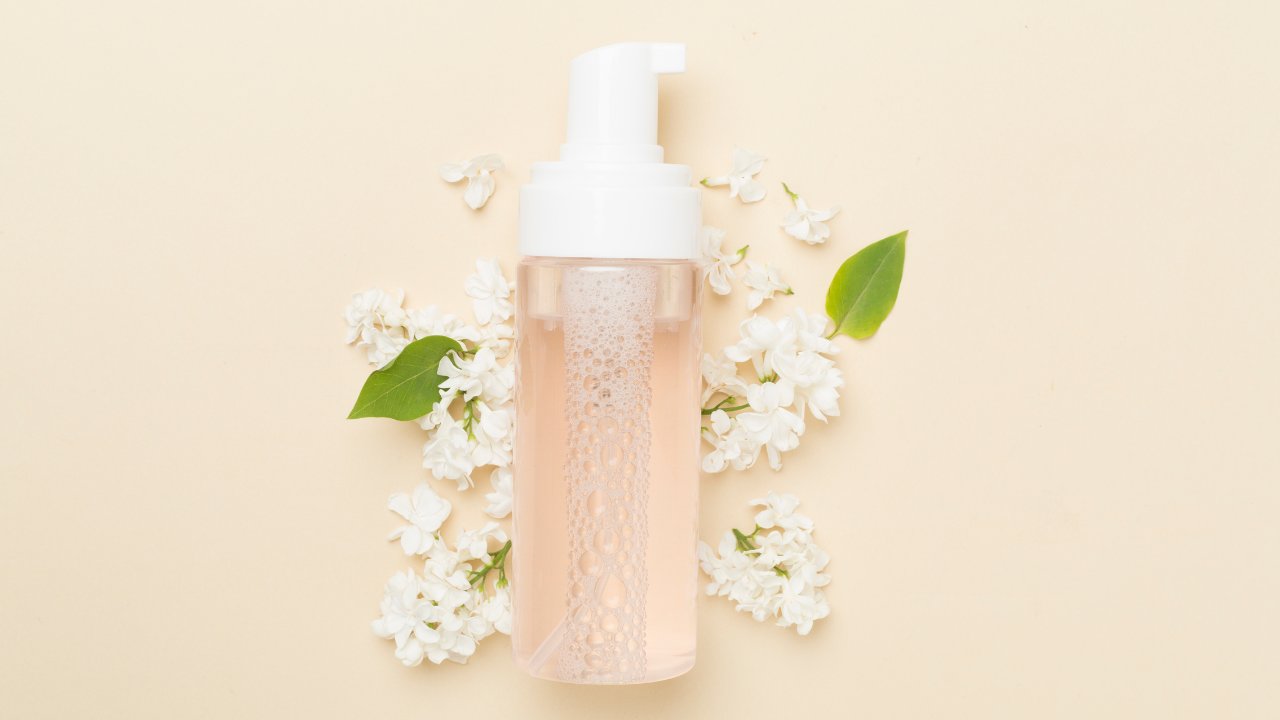
Those with sensitive skin often find that even the smallest routine change can trigger unexpected discomfort. It’s usually safer to rely on hypoallergenic, fragrance-free options designed for people prone to allergic reactions — and tested on easily-irritated skin. Simple formulas with minimal ingredients are often less likely to surprise you with side effects, while soothing essentials like aloe vera or chamomile extract are well known to reduce visible redness. Some estheticians mention that switching to these softer options results in fewer flare-ups and that sense of authentic relief many seek. Can you actually cleanse thoroughly without causing irritation? Quite a few real-life stories suggest that mindful product choice makes all the difference. Occasionally, someone will mention that patch testing a new product spared them days of discomfort — a step worth taking for peace of mind.
Simplicity as a strategy for sensitive skin
Many professionals suggest sticking to straightforward routines: a gentle, minimalist cleanser and a lukewarm rinse. One trainer commented that less really is more — and her clients now approach new skincare launches with a welcome dose of skepticism.
Determinants of a good cleanser for each skin type
- Texture matters: A lightweight gel creates an instantly fresher sensation for oily skin, while richer milk or oil cleansers often become a real favorite for dry skin (some users have found the seasonal switch especially rewarding).
- Choosing the right active ingredients: If blemishes are a concern, anti-inflammatory compounds can deliver relief, while dry skin frequently benefits from deep-acting hydrating agents. Experts regularly remind us that blending these components can help address combination issues, too.
- Skin response: Testing new products on a small patch of skin before full use is a practical way to avoid reactions — it’s surprising how often a patch test uncovers a hidden sensitivity (professionals frequently bring up this simple precaution).
- How often to use: Mild cleansers may work well morning and evening, but stronger products are better suited for a few weekly uses. Many individuals have noticed this reduces both dryness and unwanted build-up.

I’m a young man studying in the field of health and sexuality. Passionate and committed, I am known for my dedication to my studies and my desire to make a significant contribution to society.
I am particularly interested in issues of consent and prevention in the field of sexual health, a subject that I feel is crucially important and often neglected. Those who know me well describe me as an empathetic person with an incredible ability to understand and support people in need.
I strive to demystify preconceived ideas about sexuality and improve attitudes and perceptions around sexual health. I’m a passionate advocate of the importance of sex education and consent education in universities, recognising the major transition students are going through in terms of their love and sex lives during their studies.
With a keen eye on society, I am particularly concerned about the problems of forced or unwanted sexuality among students, which I find unacceptable. I plan to devote my career to changing these disturbing statistics, by creating training and intervention programmes to improve knowledge, attitudes and behaviour relating to sexuality among young people.
My ultimate goal is to create an environment where every individual has the power to make informed choices about their sexual health, and where respect and consent are the norm. Overall, I am a character who represents commitment, compassion and the desire to make a difference in the world.


