Eye contour care plays a key role in supporting your beauty routine. The skin surrounding the eyes is especially fragile and deserves targeted attention, along with products formulated specifically for it. Whether the goal is to address dark circles, puffiness, or the first signs of fine lines, a few simple gestures can make a noticeable difference.
Here’s what you need to know to apply your chosen eye product effectively—and get the most from it.
Choosing the right eye contour product
Varieties and selection criteria
Start by identifying the product that matches your needs and your skin’s tendencies. The market offers several options for eye contour care, and each comes with its own advantages:
- Moisturizing creams: These nourish the eye contour and help ward off fine lines, especially those stemming from skin dehydration.
- Anti-puffiness gels: Their cooling, draining effect can visibly soothe eye bags—some users have noticed decongestion after just a few uses.
- Brightening serums: Designed to improve microcirculation and visibly minimize dark circles, particularly for fatigued complexions.
- Anti-aging treatments: These aim to limit the formation of wrinkles and bring extra firmness to the area. Certain professionals mention that combining them with a gentle massage fosters better long-term results.
Checking the formula—what to avoid
Be sure to examine ingredient lists: many people report sensitivity to parabens or artificial fragrances—these can sometimes provoke unwanted reactions, such as redness or irritation.
When in doubt, a dermatologist or a pharmacist can help determine which components to favor or avoid for sensitive skin.
Prepare your skin before applying eye contour care
Essential pre-care steps
Impurities and make-up remnants might impede the effectiveness of eye area treatments. To set the stage before spreading creams or gels under your eyes, it’s usually helpful to:
- Cleanse gently with a make-up remover tailored to your complexion. The goal is to clear away all traces of product, especially near the eyes (a trainer recently emphasized the impact of regular thorough cleansing on product absorption).
- Rinse carefully using lukewarm water; sudden temperature variations can sometimes stress this fragile area. Several people with sensitive skin opt for filtered water to avoid potential irritation and to soothe the skin.
- Pat dry—do not rub. Respect the thinness of the skin here by dabbing with a clean, ultra-soft towel.
Apply a soothing toner or lotion
Optionally, a gentle toner or soothing lotion may be swept over the face to remove any last remaining debris, rebalance pH, and reduce minor redness. Some experts suggest lightly avoiding the immediate eye contour zone to prevent overload. Is this extra step really essential? It may benefit those exposed to urban pollutants or whose skin is particularly reactive.
How to apply eye contour care effectively
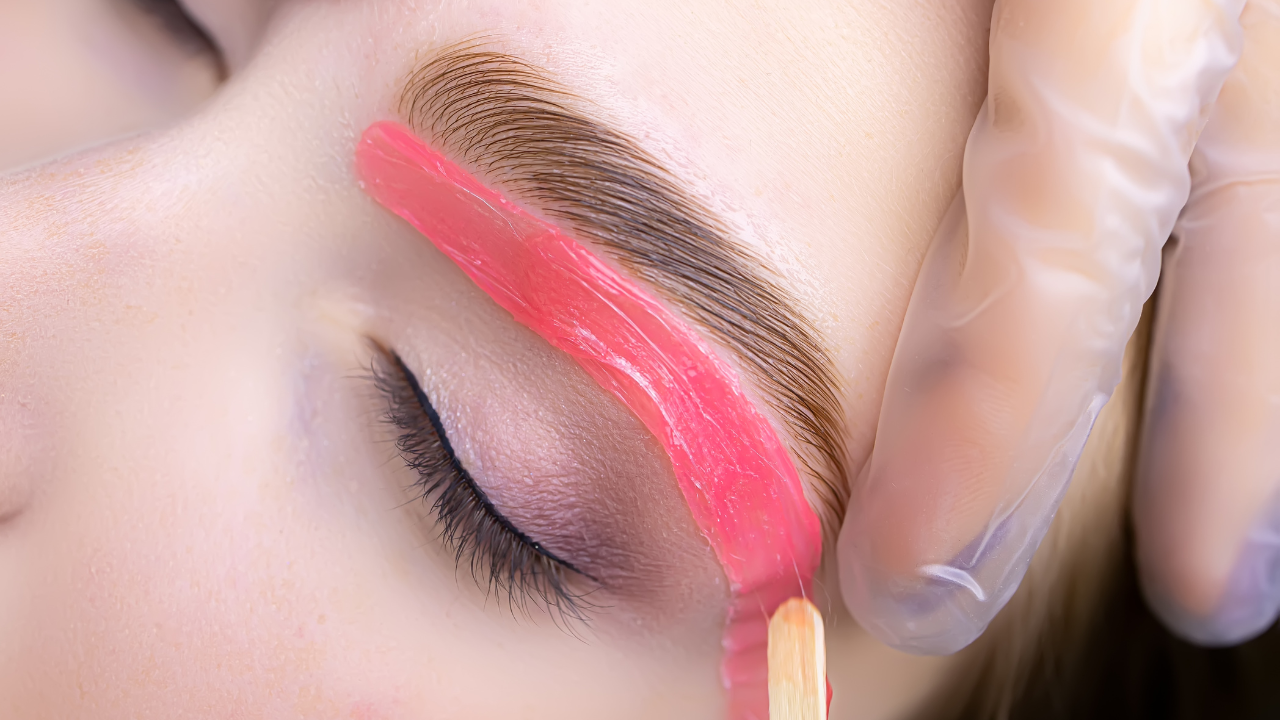
Prepare and warm the product
To boost absorption and reduce any risk of micro-irritation, let a tiny amount of your chosen cream or gel warm between your fingers (just a few seconds usually suffice). This softens textures and can make the subsequent application smoother.
Apply with care
Dot the product around each eye using the ring finger, as it naturally applies the least pressure—a method estheticians regularly praise. Keep away from the lash lines to avoid discomfort or accidental seepage into the eyes. A friend once mentioned that being too generous too close to the eye left her with watery eyes for hours—worth noting!
Massage and stimulate microcirculation
Try featherlight circular motions, still with the ring finger; start at the inner eye corner, move outward, and then carefully follow the brow bone. This soft stimulation helps both absorption and fluids drainage (it’s a tip highlighted in various workshops on anti-fatigue facial protocols).
Increase penetration with light pressure
After massaging in, apply very light pulses or taps along the eye socket. The goal here is to support lymphatic drainage and assist the product’s effects. Does it take much extra time? Not at all—a dozen gentle taps usually do the trick.
Let the skin absorb
Give the treatment a few moments to fully sink in before layering additional products or applying make-up. Many professionals recommend waiting at least two or three minutes, so that the skin draws out all potential benefits—especially overnight treatments.
When to apply eye contour care?
Frequency and daily rhythm
Most eye contour products can be used morning and night, though some people prefer to limit application to one time based on their routines or sensitivities. Lighter, cooling treatments are good candidates for the start of the day—giving a fresher, rested appearance—while richer night creams or serums will focus on recovery while you sleep.
One dermatologist recently remarked that adjusting application times according to fatigue or environmental exposures can further personalize your regimen.
Following these accessible and science-backed steps may well bring a brighter, fresher look to the eyes—a small investment that often pays off in the mirror (and in how you feel about your reflection over time).

I’m a young man studying in the field of health and sexuality. Passionate and committed, I am known for my dedication to my studies and my desire to make a significant contribution to society.
I am particularly interested in issues of consent and prevention in the field of sexual health, a subject that I feel is crucially important and often neglected. Those who know me well describe me as an empathetic person with an incredible ability to understand and support people in need.
I strive to demystify preconceived ideas about sexuality and improve attitudes and perceptions around sexual health. I’m a passionate advocate of the importance of sex education and consent education in universities, recognising the major transition students are going through in terms of their love and sex lives during their studies.
With a keen eye on society, I am particularly concerned about the problems of forced or unwanted sexuality among students, which I find unacceptable. I plan to devote my career to changing these disturbing statistics, by creating training and intervention programmes to improve knowledge, attitudes and behaviour relating to sexuality among young people.
My ultimate goal is to create an environment where every individual has the power to make informed choices about their sexual health, and where respect and consent are the norm. Overall, I am a character who represents commitment, compassion and the desire to make a difference in the world.