
Skin dehydration is a common issue that can affect both overall well-being and appearance. Spotting the signs of dryness—and knowing what steps genuinely help—goes a long way toward keeping the epidermis healthy and radiant. Let’s look more closely at what defines dehydrated skin and which strategies actually make a noticeable difference.
What is cutaneous dehydration?
Understanding this skin condition
Before it’s possible to spot the signals that your skin might lack moisture, it makes sense to understand the root causes. Cutaneous dehydration arises when the outer layer—the epidermis—runs low on water. This loss can be temporary or drag on, and is commonly triggered by weather shifts, sun exposure, tobacco use, unbalanced eating habits, or skincare routines that miss the mark. Quite a few people observe that dryness can develop in a matter of days, especially as the seasons change quickly.
Temporary or persistent changes
Some experts point out that dehydration may fluctuate—improving some months and returning in others.
Individuals with sensitive skin might notice pronounced effects after just a brief exposure to wind or indoor heating.
Signs and symptoms of dehydrated skin
How to recognize the warning signals
Typical signals that your skin lacks moisture can include:
- Many experience a sensation of tightness and discomfort over the face—this is especially apparent after washing or applying certain skincare.
- Another frequent observation is a drop in suppleness and smoothness; sometimes the skin creases or feels stretched with facial movements.
- A dull or weary look may show up, with faint lines where moisture is lacking. One dermatologist remarked that fine lines can look deeper when water is scarce in the epidermis.
- Some report that issues like redness, itching, or irritation become more prominent. Interestingly, dehydration sometimes precedes acne breakouts, as the skin tries to make up for dryness by producing additional sebum.
Small everyday clues
Have you ever wondered why your favorite moisturizer suddenly feels less effective? It happens—some people recount that their usual products stop working as well when indoor heating is on full blast or during a travel-induced routine change.
Tips to prevent skin dehydration
Practical ways to keep skin hydrated
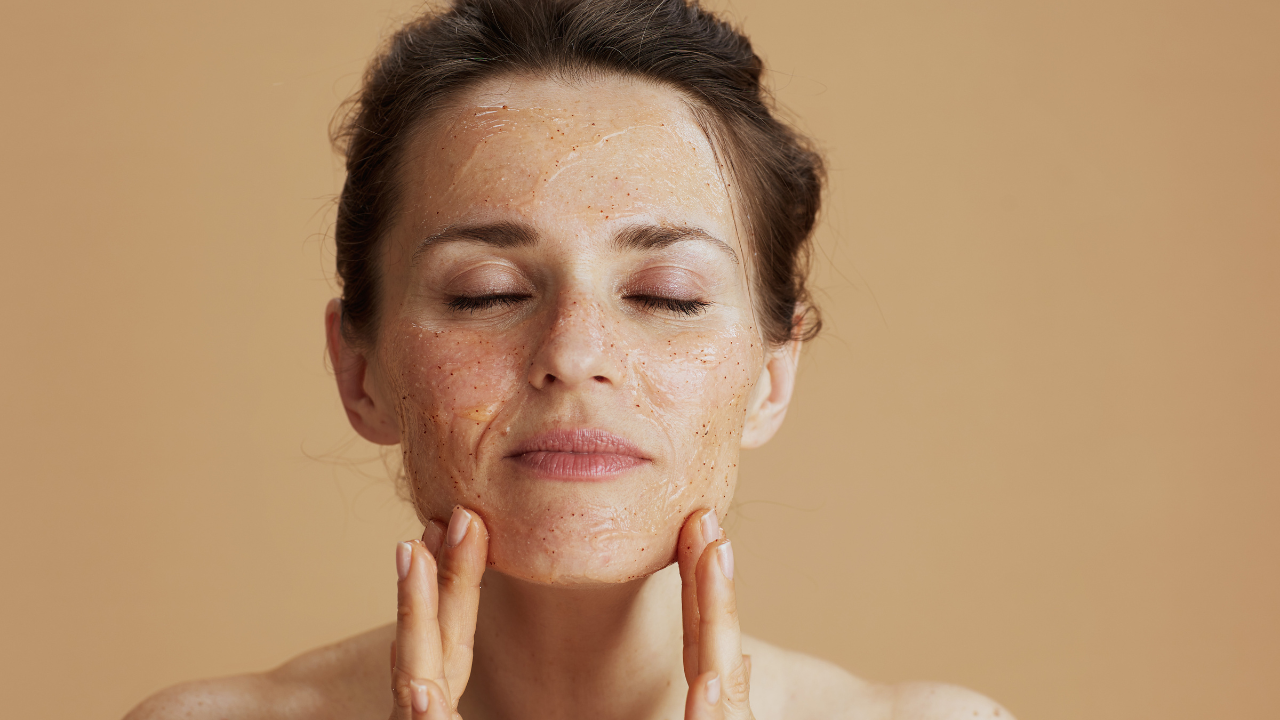
Developing a few habits can make all the difference when it comes to skin hydration:
Drink enough water
Staying consistently hydrated throughout the day remains one of those timeless tips. As a general rule, about 1.5 to 2 liters each day helps maintain skin moisture. Some individuals see an unmistakable improvement in the skin’s glow after upping their water intake even for just a month. A nutritionist once mentioned that the impact could be surprisingly quick.
Choosing the right cosmetics
Opt for products specifically formulated for thirsty skin, and set aside those with aggressive alcohol or heavy synthetic scents. Hydrating creams, serums, and lotions containing hyaluronic acid, shea butter, and glycerin tend to get strong recommendations. One esthetician recounted that merely choosing a richer evening cream was a game changer for a client struggling with dryness.
Adopt a balanced diet
Meals brimming with fresh fruits and vegetables provide plenty of water and micro-nutrients for the skin. Think cucumbers, watermelon, tomatoes, avocados, along with oily fish, nuts, and seeds—these foods contribute nutrients that help the body lock in hydration. Why do so many professionals stress good fats? Because these components are key for keeping the skin’s barrier strong against moisture loss.
Protect your skin from the sun
Sun rays are a top contributor to loss of skin hydration. Applying a daily sunscreen that suits your specific needs – and avoiding lengthy outdoor exposure at peak sun times—really pays off. A dermatologist pointed out that even short moments in the sun without adequate protection can undo much of your careful hydration work.
Reflexes to adopt when you have dehydrated skin
What to do if dryness persists
Should dryness persist despite daily efforts, there are targeted actions you can take:
Intensify hydration
Apply hydrating products liberally—not just on the face, but also on the lips and around the eyes. Applying moisturizer to skin that’s just slightly damp is a favorite tip among experts, since it can enhance absorption and provide faster results. Numerous people share that they notice a visible difference almost immediately with this method.
Pamper your skin with specific masks and treatments
Adding hydrating masks or a spray of thermal water brings noticeable comfort and quick relief. Someone might even keep a bottle of mist at the office for those moments when tightness creeps in. Does it work? For most, the instant cooling effect softens the sensation of dryness—even if just for a few hours.
Repair the skin barrier
To get moisture back and keep it there, using care products designed to reinforce the skin’s barrier makes a real impact. Ingredients like ceramides, omega-3 fatty acids, and niacinamide come up repeatedly among professionals as crucial aides for lasting comfort. In some practices, dermatologists encourage barrier repair as a first step for recurrent dehydration.
See a professional
If skin remains constantly uncomfortable and dry despite these approaches, reaching out to a dermatologist can bring tailored advice and a fresh perspective. Repeated professional observations suggest that sometimes only individualized care can finally break the cycle of ongoing skin dehydration.
Adjust and trust your skin’s feedback
Ultimately, staying tuned in to dehydration signals and adapting your routine accordingly does more than preserve appearance—it can strengthen the skin’s resilience over the long haul. For one person, a dietary tweak might help; for another, a cosmetic update makes all the difference. Even experts agree: pinpointing the skin’s exact needs isn’t always straightforward.

I’m a young man studying in the field of health and sexuality. Passionate and committed, I am known for my dedication to my studies and my desire to make a significant contribution to society.
I am particularly interested in issues of consent and prevention in the field of sexual health, a subject that I feel is crucially important and often neglected. Those who know me well describe me as an empathetic person with an incredible ability to understand and support people in need.
I strive to demystify preconceived ideas about sexuality and improve attitudes and perceptions around sexual health. I’m a passionate advocate of the importance of sex education and consent education in universities, recognising the major transition students are going through in terms of their love and sex lives during their studies.
With a keen eye on society, I am particularly concerned about the problems of forced or unwanted sexuality among students, which I find unacceptable. I plan to devote my career to changing these disturbing statistics, by creating training and intervention programmes to improve knowledge, attitudes and behaviour relating to sexuality among young people.
My ultimate goal is to create an environment where every individual has the power to make informed choices about their sexual health, and where respect and consent are the norm. Overall, I am a character who represents commitment, compassion and the desire to make a difference in the world.


