The market for cannabidiol (CBD) products is evolving rapidly, and CBD flower has become a noteworthy choice for those seeking specific effects and uses. Alongside CBD flower, a diverse array of alternative CBD formats is becoming more widespread. What truly distinguishes CBD flower from these alternatives, and how do their impacts shift depending on each person’s needs? Here are the elements that matter most.
What is CBD flower?
CBD flower refers to the reproductive part—or inflorescences—of male and female cannabis plants. These CBD flowers are known for their elevated levels of active compounds such as CBD, yet maintain a strikingly low tetrahydrocannabinol (THC) content. While THC produces the psychoactive properties linked to cannabis, CBD remains non-psychotropic and is said to bring a wide spectrum of wellness benefits. Professionals in the field often point out that each strain offers its own unique composition of these elements.
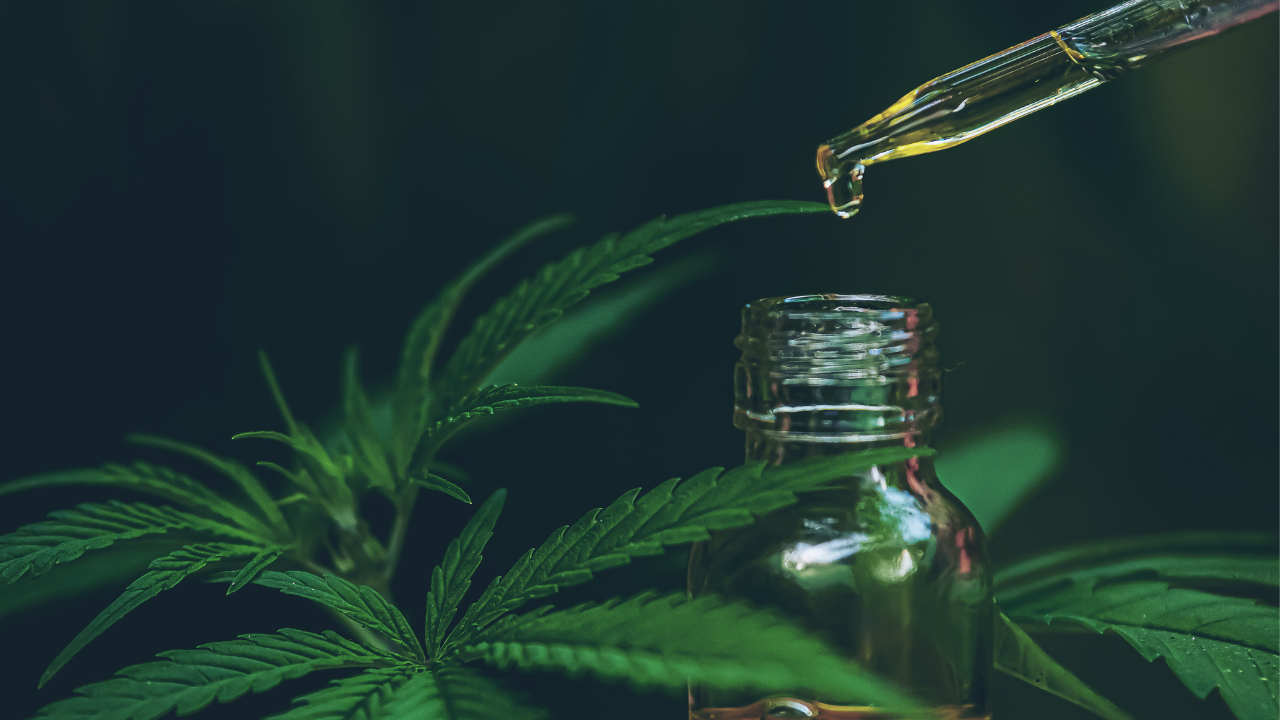
The diverse functions of CBD flowers in cannabis cultivation
- Pollination and reproduction: Male plants release pollen to fertilize female flowers, ensuring the continuation of the species. Some growers share stories about missing the ideal pollination window, which can impact yield significantly.
- Resin for protection and synthesis: The resin in female flowers helps shield the plant from pests and environmental risks. It’s also involved in producing cannabinoids and terpenes. Industry veterans highlight how the quality of resin can strongly influence the flower’s properties.
- Nutritional value to wildlife: Deer, rabbits, and certain bird species have occasionally been observed feeding on wild cannabis flowers, indicating that the plant’s role extends well beyond human usage.
Additional forms of CBD and how they’re used
Oils and extracted products
CBD oils are made by extracting resin—most often from the flower—and then concentrating it for sublingual use or adding it to foods and beverages. These oils, commonly recommended for their practicality, can contain notably high levels of CBD. Some individuals mention fast relief from stress, anxiety, or chronic pain; still, experiences may differ widely. A health practitioner once observed that results can sometimes surprise even those familiar with these products.
Capsules for reliable dosing
CBD oil can also be encapsulated in a shell that dissolves in the stomach, providing more predictable absorption and simplifying dose management. Certain specialists recommend capsules for concerns like sleep or inflammation, due to their consistency—though not all find them equally effective. Is it the predictability or convenience that really wins people over?
Topicals for localized applications
Creams, balms, and similar skin-friendly CBD products target specific areas. Many users apply these topicals for problems with joints or skin, including eczema and psoriasis. Practitioners sometimes hear accounts of significant improvement, but outcomes aren’t guaranteed. It’s not unusual for an individual to test a few options before finding what actually brings comfort.
Comparing CBD flower and alternative products: concentration and effect
Variation in CBD concentration
Certain varieties of CBD flower can feature between 18 and 22% CBD, though the precise content depends heavily on growing practices and genetics. By contrast, oils, capsules, and topical solutions vary widely in CBD levels—sometimes stronger, sometimes milder—to meet diverse purposes. Some cultivators recount how adjusting growing conditions can slightly shift a flower’s potency.
Matching delivery methods to needs
What makes a CBD product most effective? Much hinges on how a person intends to use it. Inhaling or smoking CBD flower tends to produce nearly immediate effects, making it appealing for sudden stress or pain. By comparison, oils and capsules are often chosen for broader issues like inflammation or digestive wellness, and topicals for joint or skin complaints. A few individuals combine two or more methods, hoping to cover all bases — or at least improve their odds of finding success.
Quality and purity: priorities for user safety
Choosing pure products matters, regardless of the form—residues from pesticides, herbicides, or other chemicals can be a risk. Many industry professionals and longtime users express the importance of selecting organically grown CBD that aligns with regional standards. One specialist remarked that a quick check for third-party lab certificates is a smart precaution. Have you ever asked yourself if you’ve checked product authenticity before purchase?
Each option — CBD flower, oils, capsules, creams — brings unique characteristics to the fast-changing CBD landscape, supporting wide-ranging needs and preferences. Gaining insight into these formats—as well as talking with a knowledgeable expert—helps guide you toward the right, most dependable fit. Sometimes a good piece of advice from a trusted health provider or retailer is the difference between a disappointing trial and a rewarding result.

I’m a young man studying in the field of health and sexuality. Passionate and committed, I am known for my dedication to my studies and my desire to make a significant contribution to society.
I am particularly interested in issues of consent and prevention in the field of sexual health, a subject that I feel is crucially important and often neglected. Those who know me well describe me as an empathetic person with an incredible ability to understand and support people in need.
I strive to demystify preconceived ideas about sexuality and improve attitudes and perceptions around sexual health. I’m a passionate advocate of the importance of sex education and consent education in universities, recognising the major transition students are going through in terms of their love and sex lives during their studies.
With a keen eye on society, I am particularly concerned about the problems of forced or unwanted sexuality among students, which I find unacceptable. I plan to devote my career to changing these disturbing statistics, by creating training and intervention programmes to improve knowledge, attitudes and behaviour relating to sexuality among young people.
My ultimate goal is to create an environment where every individual has the power to make informed choices about their sexual health, and where respect and consent are the norm. Overall, I am a character who represents commitment, compassion and the desire to make a difference in the world.